Chitragupta ji keeps Yama Dev’s ledger of every deed, and in the Garuda Purana he still asks the Sravanas. Kayastha families worship him with pen and inkpot on Bhai Dooj.
The chappan bhog meaning is 56 offerings laid before Bhagwan Krishna. The usual reason is eight meals a day for seven days under Govardhan Hill, but the Bhagavata gives only the seven days.
In one Bowbazar house every electric light goes off when Kali Puja begins, because the family believes Maa Kali is worshipped in darkness. This is how a few old Kolkata homes keep the night.
A dropped garland, a truce with the asuras, a mountain on a tortoise’s back and a poison only Bhagwan Shiva could hold: the churning of the ocean of milk, told in order.
Kaikasi saw Kubera Dev arrive in the Pushpaka and urged Ravana to become like him. In the Valmiki Ramayana, Kubera Dev later gave up Lanka without a fight.
In the Bhagavata Purana, Bhagwan Krishna’s discus takes Narakasura’s head; in the Vishnu Purana he cuts him in two. Satyabhama rides beside him in both. Her last blow comes from the popular telling.
Is Alakshmi really Maa Lakshmi’s sister? In the Linga Purana she is the elder of the two, created before Maa Lakshmi and then married to a sage who could not keep her at home.
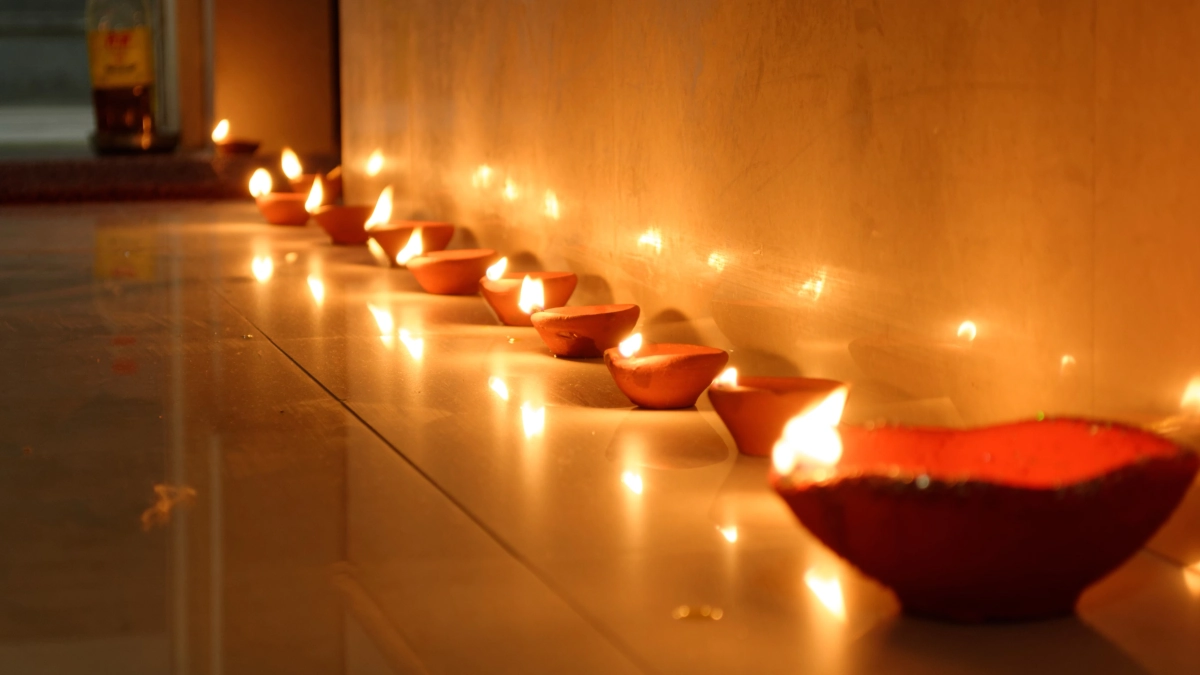
The significance of lighting a lamp comes from an Upanishad prayer, the Gita’s steady flame and arti. Valmiki’s Ayodhya welcome has flowers but no lamps.
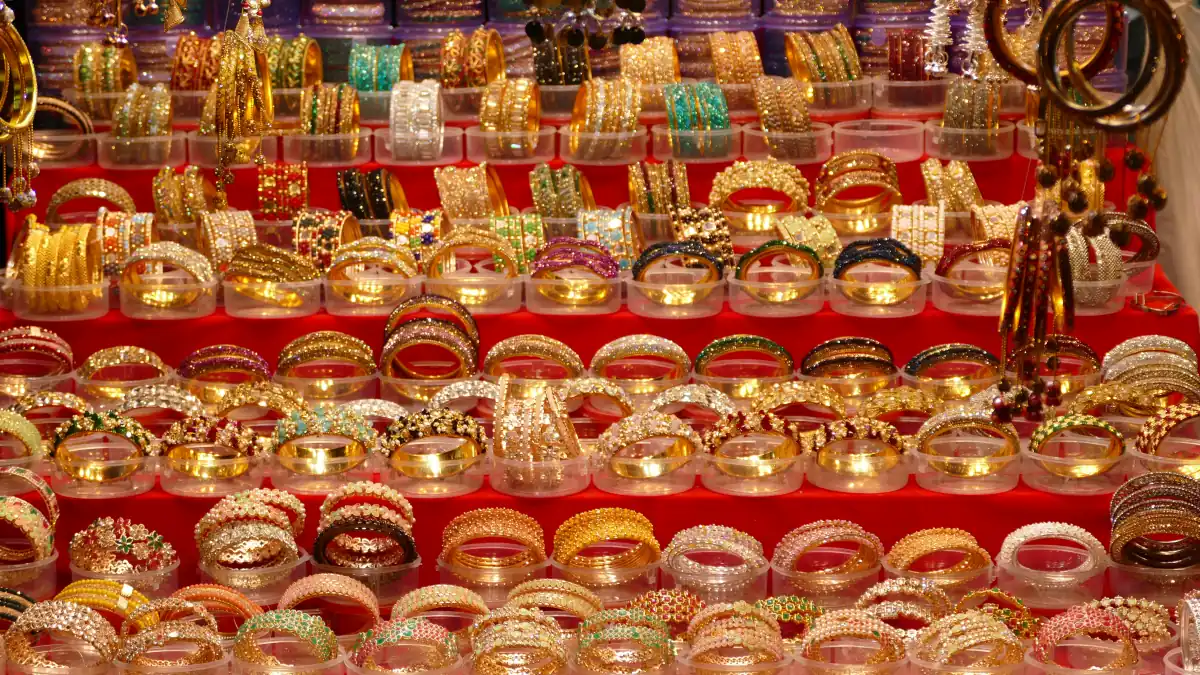
Solah shringar is Hindi for “sixteen adornments”, the head-to-toe preparations of a bride. Published lists of the sixteen differ, and no single fixed list exists.
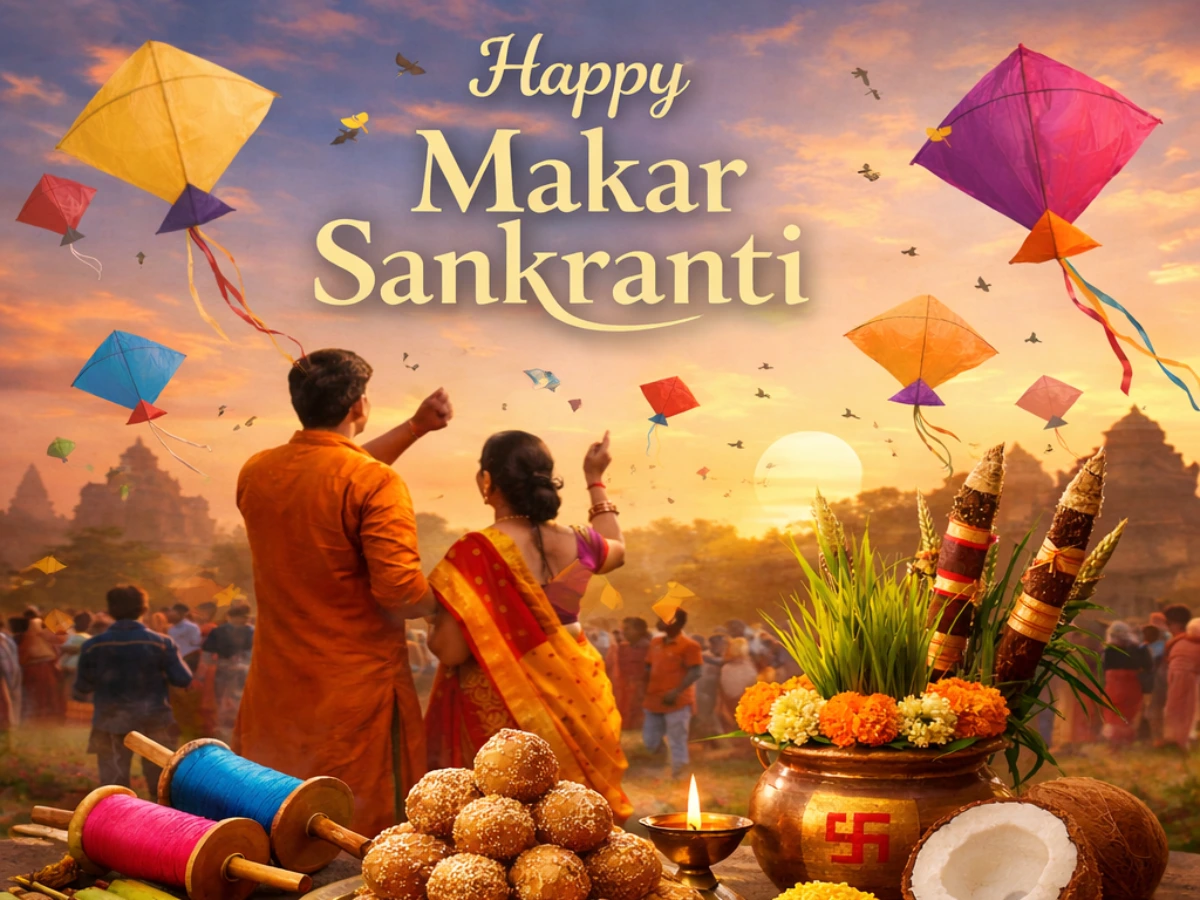
Makar Sankranti Festival is one of the most important and widely celebrated festivals in India. Observed every year around January 14, it marks the transition of the Sun into the zodiac sign Makara (Capricorn). This celestial movement is believed to bring longer days, warmth, prosperity, and spiritual positivity. Unlike many Hindu festivals that follow the […]